
Find Who Owns a Waynesboro Property
Build a short chain of evidence instead of accepting the first name you see. Begin with a street address in the city GIS search. Open the matching Property Sheet. Read the assessor's current-ownership entry. Then carry that name into the Virginia Secure Remote Access land index. Or use the parcel's Map Number. Pull up the latest deed. Match its legal description to the parcel. Compare the named parties and recording date against the current roll. If everything lines up, you have the owner of record.
Waynesboro is an independent city. A parcel sitting just outside its boundary belongs to Augusta County instead. Its land and assessment offices run on a completely separate system. The city publishes no fixed turnaround for assessor updates after a deed is recorded. So a fresh instrument can outrun the tax roll by a margin. Let the recorded deed settle any legal question about the transfer. Treat the assessor simply as the fastest lead on the current owner.
- Search the address in Waynesboro GIS and open the matching Property Sheet.
- Write down the current-ownership and deed-book clues exactly as displayed.
- Search the latest grantor or grantee in SRA and confirm the legal description.
- If an entity holds title, verify its exact name through Virginia SCC records before searching again.
- Use a public mailing field only for lawful property correspondence, and verify it in the live roll.
Waynesboro Owner Records Have Separate Roles
Each Waynesboro record answers a different question. The assessor keeps current ownership, deed-book references, and ownership history. The office also tracks lot size and building details for the parcel. Virginia Secure Remote Access provides the remote land-record index. Image access there depends on the local court's settings. GIS pinpoints the right parcel on the map. For an LLC, the SCC Clerk's Information System reveals the legal name and its filing history. Each clue matters, but only the recorded instrument shows what transfer was actually filed.
| Source | Owner Info It Gives | Access |
|---|---|---|
| Waynesboro Assessor | Current ownership, deed-book clue, history, lot and building details | City property sheet or office |
| Virginia SRA | Party index and recorded land instrument | Index may be free; images need clerk authorization |
| City GIS | Address and parcel orientation | Public map service |
| Virginia SCC CIS | Exact LLC name, registered agent, principal office, filing history | Official entity portal |
The assessor's owner is not always the only party with an interest in the land. One deed can name joint owners. It can also name a trustee, an executor, or an entity holding title. Keep in mind that a mailing address may differ from the parcel's physical address. The tax bill can travel somewhere other than the property itself. Copy every name exactly as written. Include the capacity shown, and let the deed tell you who actually received the interest.
- Owner of record
- The ownership entry maintained on the city assessment roll.
- Grantee
- The party receiving an interest in a recorded instrument.
- Vesting
- The way the deed names how title is held, such as by a person or trustee.
- Situs and mailing address
- The parcel’s location and the address for correspondence; they can differ.
Waynesboro’s Address Route Finds the Parcel
The city documents a clear address route. Enter the address in the GIS search boxes. Click Search, pick the matching result, and open the Property Sheet. That turns a street location into the correct land-book entry. The results may list several candidates. When they do, compare the house number, direction, street suffix, and position on the map. A mailing address can differ from the situs. A new emergency address can even differ from the older name written into a deed.
The official directions were written as a ward lookup. They make no claim about every field on the sheet. The Assessor states that it maintains current ownership, deed-book information, ownership history, lot size, and building details. The office covers roughly 10,300 parcels. The public text does not spell out the screen's exact owner and mailing labels. Copy the live values rather than assuming a field that never appears.
The city's Find Your Ward instructions walk through the address-to-sheet steps.
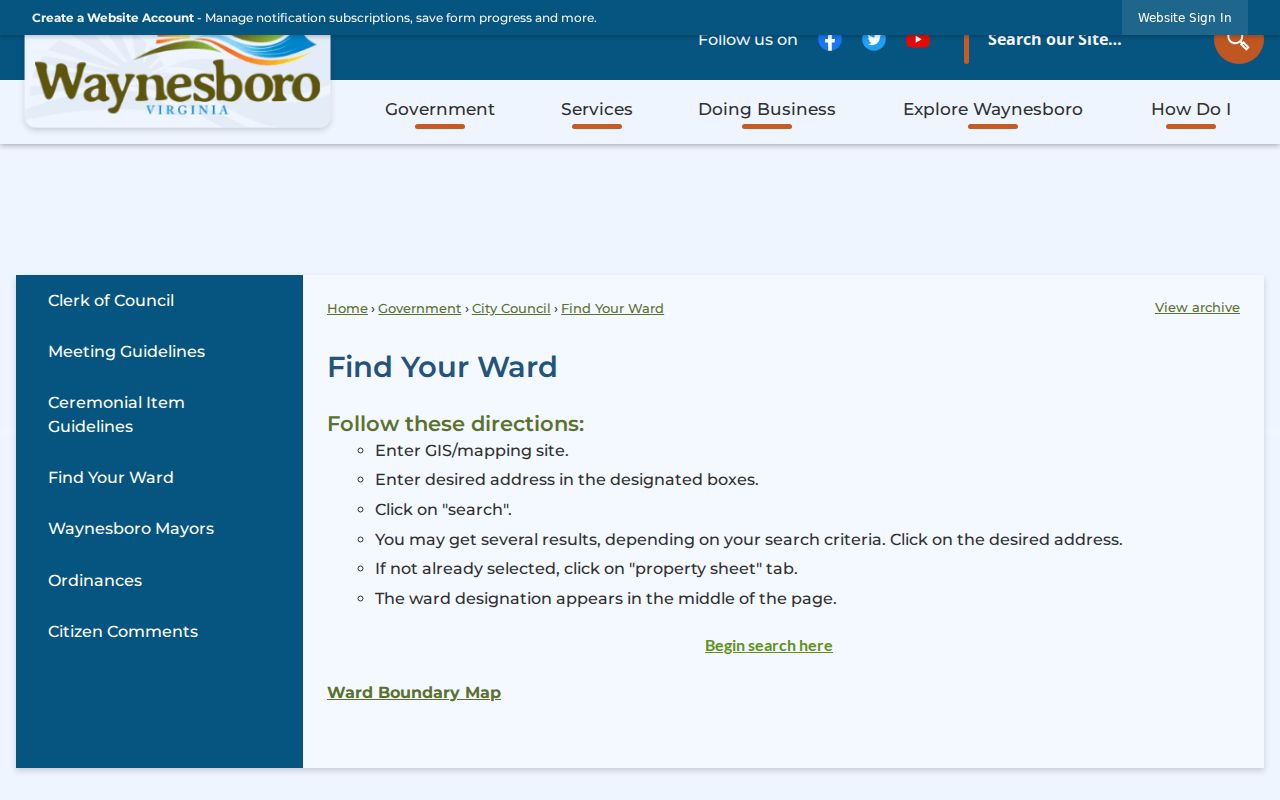
Pin down the parcel with the sheet, then confirm the owner of record in the recorded instrument itself.
Waynesboro’s Current Roll Can Trail a Deed
Waynesboro never promises a set lag between a recorded deed and the Assessor's next roll update. Because of that gap, a fresh deed can show up in SRA. Meanwhile the assessment roll may still carry the prior owner. Note the date you searched and weigh the instrument's recording date against the current roll. When a newer deed exists, treat the older roll name as history. It is not the owner of record. The Assessor's public page lists current ownership, deed-book references, ownership history, lot size, and building detail. These are the categories it maintains. It publishes no sample card and no update timestamp. The official description on the page itself is what a visitor should rely on. Do not rely on any secondhand copy. Check the Waynesboro Real Estate Assessor page for the city's own roll description.
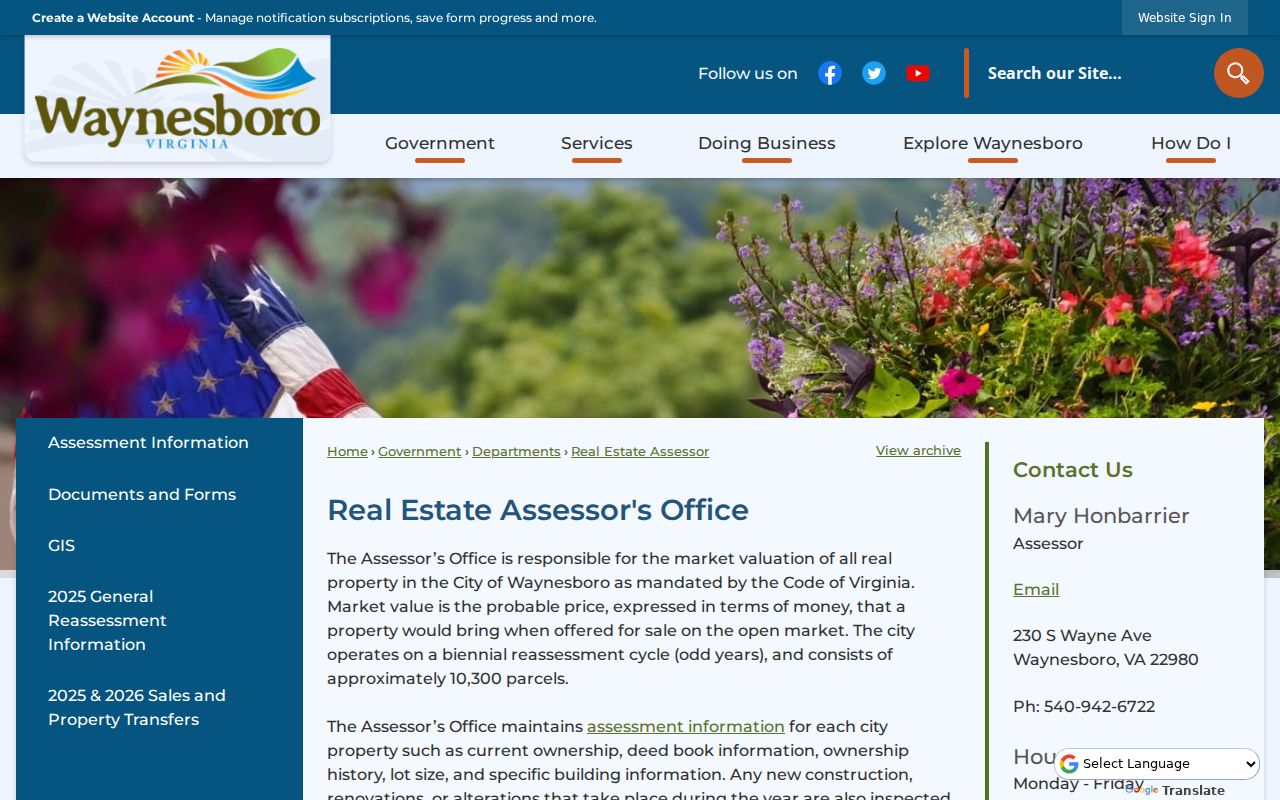
A newly recorded deed becomes the next check whenever the assessment roll looks older than the closing.
Waynesboro Property Owners May Be Legal Entities
An LLC grantee needs exact spelling. Verify it in Virginia's SCC Clerk's Information System before searching that name in SRA. SCC filings show the legal name, registered agent, principal office, and history. A trade name on a storefront may not match the entity named in the deed. Trusts bring their own quirks. Indexing may use the trustee, the trust name, or both. An estate transfer can appear under the decedent, the estate, the executor, or the administrator. Read the deed's signature block and vesting language closely. Trustees, agents, lenders, and registered agents can sign a document yet hold no fee interest. A merged or renamed entity leaves older deeds under the prior legal name. Keep both the SCC filing and the deed reference together. Authority should never be inferred from one address or a single company listing. The Virginia SCC entity system is the state's business-search route. To walk a transfer sequence backward, the Waynesboro former-owner page traces the deed chain.
Death Transfers Change the Waynesboro Owner Trail
A death can send the owner of record down several different paths. A will, probate order, fiduciary deed, survivorship clause, trust, or life estate may move the name on a parcel. Start with the decedent in the land index and the Circuit Court probate records. Then run follow-up searches under the executor, administrator, trustee, or estate name. The recorded deed or court order is what supplies the transfer authority. An obituary, a public death index, or a directory entry can help you identify the person. But none of it proves who received the land.
Virginia vital records open on their own schedules. Birth records open after 100 years. Death, marriage, divorce, and annulment records generally open after 25 years, subject to statutory limits. Earlier certified copies require eligibility and ID. When the full certificate is restricted, lean on the public index. Use court and deed material for property research too. The assessor roll can also lag behind a death-related transfer. So match the next recorded instrument before naming a current owner in Waynesboro property records.
Confirm a Waynesboro Owner in SRA
Virginia SRA gives remote access to land records kept by circuit-court clerks. The local clerk may turn on a free index. Document images, though, are limited to subscribers the clerk authorizes. The statewide page gives no exact Waynesboro index start year or image cutover. When an index result is missing, ask the Circuit Court Clerk whether that year sits online or in a deed book. Otherwise it may sit only at the courthouse. The Virginia SRA page explains how index and image access work.
The Waynesboro Circuit Court Clerk sits at 250 South Wayne Avenue, Suite 202. The office lists 540-942-6616. That office is the authoritative route for confirming an instrument and ordering copies. A good request names the grantor or grantee. Give the date range. Include the instrument number or book and page if known. Add the legal description. Confirm copy fees directly, since the official court page posts no Waynesboro fee schedule.
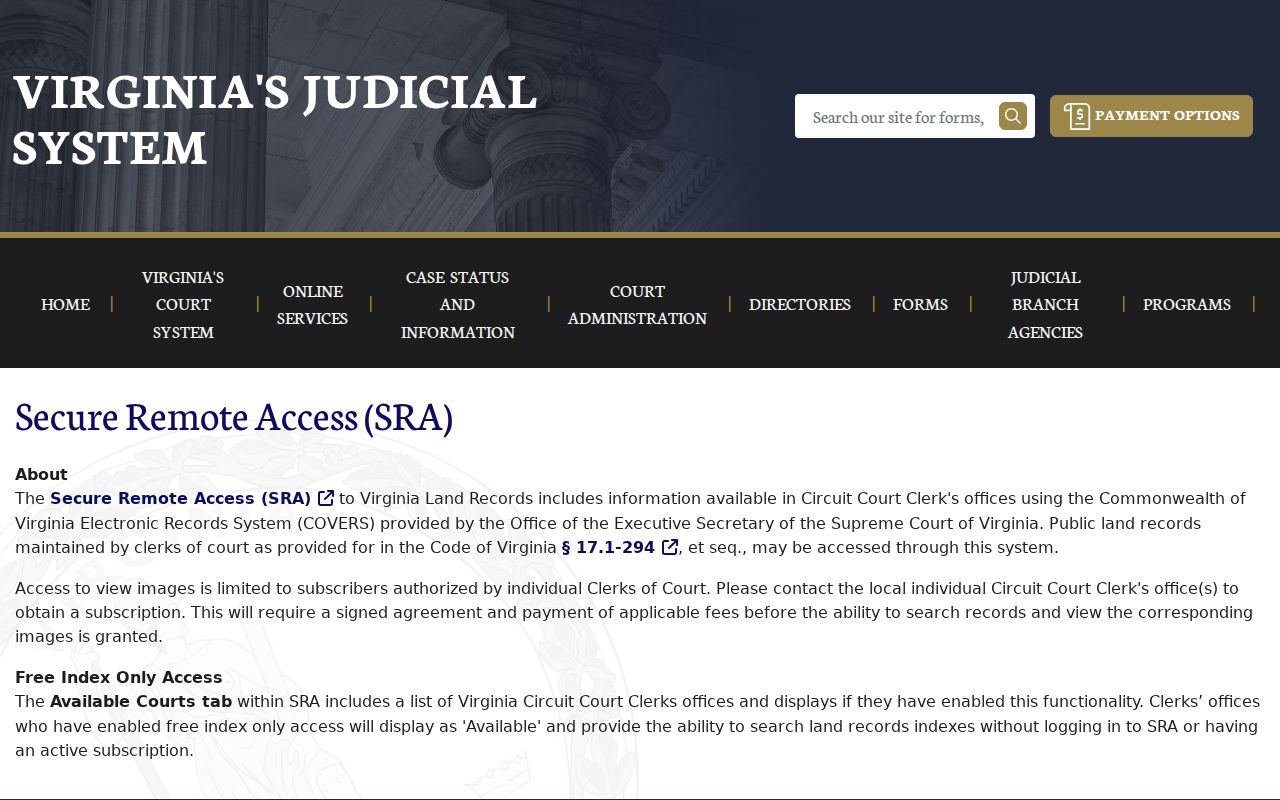
Use the land index to confirm a recorded party and request the instrument whenever ownership matters.
Waynesboro Owner Searches Cross Old Boundaries
Waynesboro's past creates a location clue as much as a name clue. Older deed records may say Waynesborough, Basic City, Waynesboro-Basic, or Augusta County. Basic City consolidated with Waynesboro in 1923. The city name returned in 1924. Annexations followed in 1948 and 1986. So a current parcel can carry an older deed or directory entry. It may sit under a former locality. Search the grantor and grantee, not just the modern street address.
Waynesboro is independent of Augusta County for recording and assessment. A mailing address alone never decides which office holds the land record. Confirm the boundary in City GIS first. Then use the matching clerk and assessor for the parcel. Keep the old locality and the current parcel description side by side. Do this until a recorded instrument ties them together in the Waynesboro property records.
Limits on a Waynesboro Property Owner Lookup
A name in the assessment roll proves very little on its own. It does not confirm current title. It may miss unrecorded interests or leave a legal boundary unresolved. Virginia's land-record index can carry access limits on document images. The current assessor card's field labels are not all published. For a purchase, inheritance, boundary question, or other decision, check the source date. Get the instrument from the clerk.
Lawful use. Use a Waynesboro owner lookup for property diligence, house history, tax questions, and civic research. Do not use public information to stalk, threaten, or harm anyone.